

ATM 2026: Chinese outbound travel gathers pace as MENA destinations prepare for tourism recovery
Dubai event to unveil exclusive insights into evolving travel preferences

DUBAI – The Middle East and North Africa (MENA) tourism industry is positioning itself for the gradual return of Chinese visitors as outbound travel from China continues to recover despite recent geopolitical disruptions.
New research released ahead of Arabian Travel Market (ATM) 2026 suggests that while travel to the Middle East has been temporarily affected, Chinese outbound demand remains resilient, creating fresh opportunities for destinations across the region.
The findings, published by Dragon Trail International, the Official Research Partner of ATM, indicate that tourism organisations are increasingly focusing on rebuilding traveller confidence and refining their marketing strategies to capture renewed demand. The research comes ahead of ATM 2026, which will take place at Dubai World Trade Centre from September 14 to 17.
Chinese outbound tourism has continued to strengthen throughout 2026, with official figures and industry surveys pointing to sustained demand despite external challenges.
Demand rising
According to the research, 77 percent of surveyed travel agents reported higher demand for outbound travel during the first half of 2026 compared with the same period last year. Meanwhile, 70 percent said demand for outbound summer travel had increased year-on-year.
Official data from China's National Immigration Administration also reinforced the positive outlook, showing that border crossings by mainland Chinese citizens rose by 10.7 percent during the first six months of 2026.
Although geopolitical developments in the Middle East temporarily reduced travel demand for the region, official Chinese government travel advisories covering GCC countries have now been lifted.

Dragon Trail International believes recovery will be gradual, as Chinese travellers continue to place significant importance on safety and security when planning overseas trips. However, provided regional stability continues, market momentum is expected to strengthen further into 2027.
Danielle Curtis, Regional Portfolio Director, UAE at RX Global, said China remains one of the world's most influential outbound tourism markets despite the recent slowdown in travel to the Middle East.
She said destinations that understand changing traveller behaviour and adapt their marketing strategies accordingly will be best positioned to benefit as consumer confidence returns. Curtis added that Arabian Travel Market provides an important platform for the industry to access market intelligence, strengthen partnerships and prepare for the next phase of tourism growth.
Key segments
Research conducted specifically for ATM 2026 identifies luxury travel as the segment most likely to recover first across MENA destinations.
Around 42 percent of Chinese travel agents surveyed said high-net-worth travellers offer the strongest recovery potential. The study also pointed to growing opportunities in the fully independent traveller (FIT) market, cited by 40 percent of respondents.
Group travel and younger travellers were each identified by 38 percent of respondents as promising segments that destinations should target as confidence gradually improves.
The research also revealed changing booking patterns among Chinese travellers. Shorter booking windows have become increasingly common, while more travellers are opting for single-destination itineraries instead of multi-country trips.
Among destinations across the MENA region, Chinese travel agents identified Türkiye as having the strongest growth potential following the introduction of visa-free travel for Chinese visitors.
Saudi Arabia and the UAE also continue to enjoy strong long-term prospects, particularly within the premium and luxury tourism market, according to respondents.
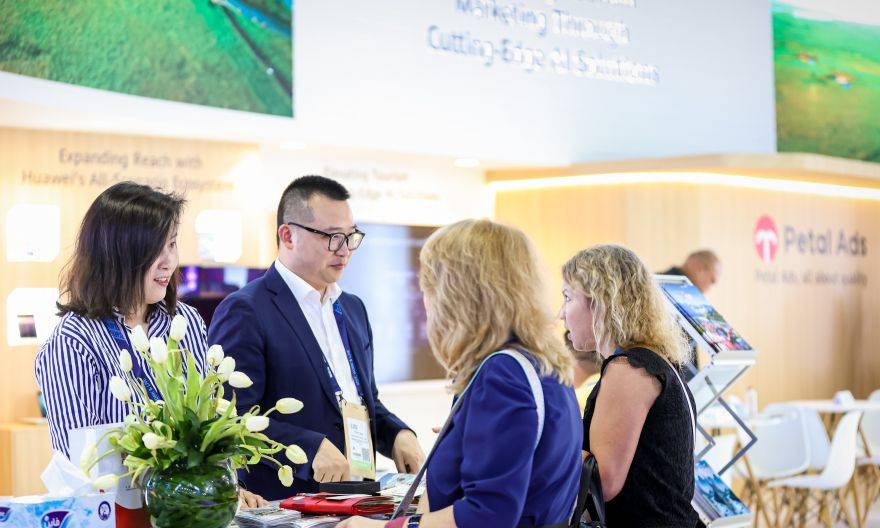
Sienna Parulis-Cook, Director of Marketing and Communications at Dragon Trail International, said Chinese outbound tourism continues to demonstrate remarkable resilience despite a range of external challenges.
She said recent geopolitical developments had affected travel demand to the Middle East, but overall outbound travel from China continues to grow strongly, creating significant opportunities for destinations that can successfully rebuild traveller confidence.
Parulis-Cook added that the latest research was designed to help tourism organisations across the MENA region better understand how Chinese travel preferences are evolving so they can refine marketing strategies and accelerate recovery.
ATM 2026
Dragon Trail International will unveil further exclusive market intelligence during ATM 2026 through a dedicated session titled Welcoming Back the Chinese Tourism Market: Insights for the Middle East.
The presentation, to be held on the Future Stage, will examine the destinations attracting the greatest interest from Chinese consumers, the communication channels that have the strongest influence on travel decisions and the experiences travellers are increasingly seeking across the MENA region.
The findings are expected to provide destinations, tourism organisations and travel businesses with practical strategies for engaging one of the world's most valuable outbound travel markets as competition intensifies.
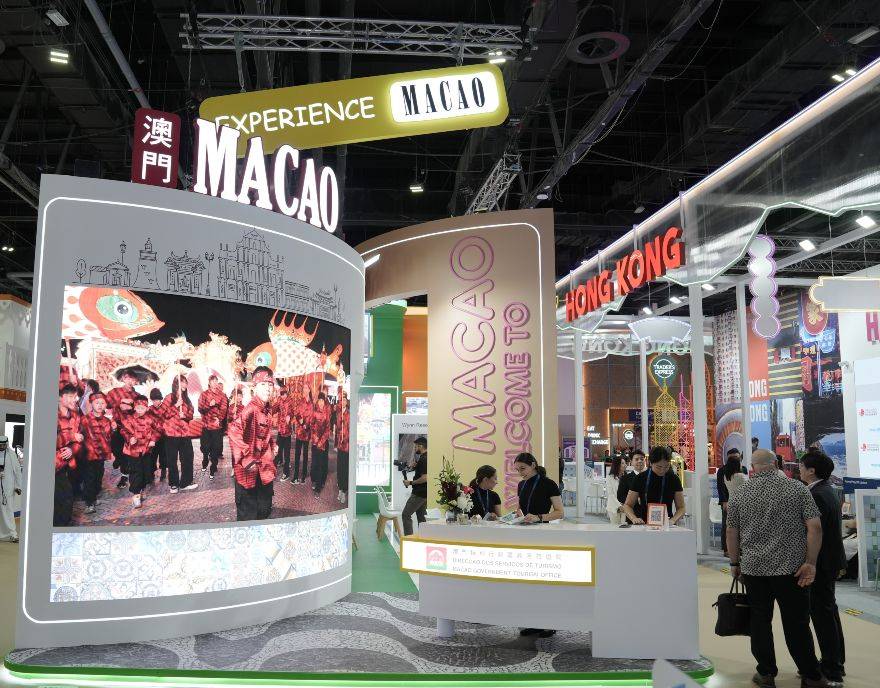
ATM 2026 will also feature several exhibitors from China, including the Macao Government Tourism Office, China Cultural Center in the UAE, DerbySoft Inc., The Garden Hotel Company Ltd., Guangzhou, China Highlights International Travel Service Co., Ltd. and HeyTrip International Limited.
Organisers said this year's edition marks a significant expansion in exhibition hall space, reflecting strong global demand for participation. Asia's presence at the event is projected to increase by 14 percent compared with the previous edition.
Held under the theme "Travel 2040: Driving New Frontiers Through Innovation and Technology", ATM 2026 will bring together destinations, tourism organisations, industry leaders and innovators to examine the trends shaping the future of global travel, while reinforcing Dubai's position as a global hub for tourism collaboration, innovation and industry resilience.